
The Role of AI and Automation in Maritime Innovation
The maritime industry, an essential pillar of global trade, has long relied on traditional methods of navigation and cargo handling. However, as technology continues to evolve, Artificial Intelligence (AI) and automation are emerging as key players in transforming how ships operate, how goods are transported, and how the industry addresses its environmental impact. These innovations not only promise enhanced efficiency but also herald a future where shipping is safer, more sustainable, and more cost-effective.
So, what exactly does AI and automation mean for the maritime industry? Let’s take a closer look at how these groundbreaking technologies are making waves in maritime innovation.
1. AI-Driven Navigation: Steering the Future
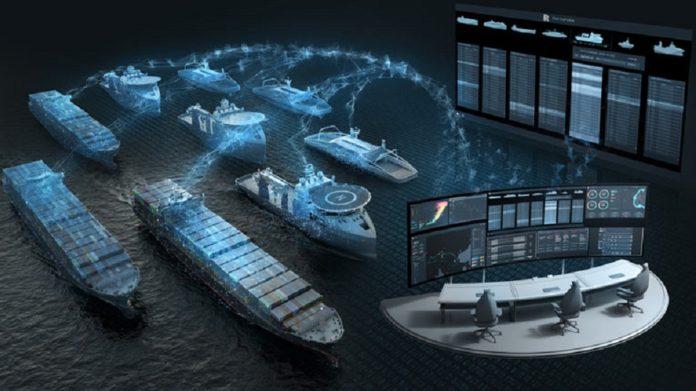
Traditionally, ship navigation has relied on human expertise to make critical decisions in real-time—everything from plotting the best course to avoiding obstacles in the water. With the integration of AI-powered systems, the maritime sector is moving towards autonomous navigation, where ships can adjust their routes based on data from sensors, weather forecasts, and even satellite images.
AI algorithms analyze large volumes of data to help ships make better decisions, whether navigating through congested ports or avoiding inclement weather at sea. These systems continuously learn and improve from new data, allowing for faster and more accurate decision-making. Imagine a world where ships can sail without human intervention, adjusting their speed and route based on real-time conditions—an innovation that could drastically reduce human error and increase safety.
2. Autonomous Ships: The Future of Cargo Transport
One of the most talked-about innovations in the maritime industry is the rise of autonomous ships. These vessels operate without the need for a crew on board, relying on AI systems, sensors, and satellite connections to control navigation, propulsion, and cargo management.
Autonomous ships can drastically reduce operating costs by cutting the need for a full crew. They can also work around the clock without the need for rest periods, allowing for more efficient and timely deliveries. Additionally, these ships can be equipped with advanced technologies like collision avoidance systems and autonomous docking systems, ensuring safe and precise operations without human involvement.
These innovations are particularly appealing in an era where the maritime industry faces rising labor costs and a shortage of skilled maritime professionals. Autonomous vessels also help address the challenge of human fatigue, which has long been a concern in this high-stakes industry.
3. AI-Powered Predictive Maintenance: Reducing Downtime and Costs
Just like any other complex machinery, ships require regular maintenance to keep them running smoothly. However, unplanned maintenance due to unexpected breakdowns can be costly, both in terms of repair expenses and lost revenue from operational downtime. This is where AI-powered predictive maintenance comes into play.
By leveraging AI and machine learning, ship owners can now monitor the condition of critical equipment in real-time. Sensors placed throughout the ship collect data on everything from engine performance to fuel efficiency, and AI algorithms can analyze this data to predict when a component is likely to fail or require maintenance. This proactive approach allows for more efficient maintenance schedules, minimizing costly downtime and extending the lifespan of expensive equipment.
For shipping companies, this not only means cost savings but also reliability, ensuring their fleet stays operational for longer periods without the disruptions caused by unscheduled repairs.
4. Improved Safety Through Automation and AI
The safety of both crew and cargo is a top priority in the maritime industry. While the sector has made significant strides in reducing accidents, the integration of AI and automation holds the potential to take safety to new heights. AI-powered collision avoidance systems use data from sensors and cameras to detect potential hazards in a ship’s path, such as nearby vessels, floating debris, or shallow waters. The system then makes real-time decisions to adjust the ship’s course or speed, preventing accidents and enhancing safety for all involved.
Additionally, AI can monitor the health and wellbeing of a ship’s crew, detecting signs of fatigue or stress that may lead to accidents or human error. By creating a safer work environment for the crew, AI helps reduce the risk of accidents while ensuring a more efficient and productive operation.
5. Sustainability and Environmental Impact
One of the most pressing challenges facing the maritime industry today is its environmental footprint. Ships are significant contributors to global emissions, particularly in the form of carbon dioxide (CO2) and sulfur oxides (SOx), both of which have detrimental effects on the environment.
AI and automation can play a key role in mitigating these environmental impacts. For example, AI systems can optimize fuel consumption by analyzing real-time data on wind conditions, currents, and ship performance, adjusting the speed and route to minimize fuel usage and emissions. These systems can also help ships comply with strict environmental regulations, like those set by the International Maritime Organization (IMO), which is pushing for cleaner shipping practices.
In addition to fuel efficiency, autonomous ships can be equipped with energy-efficient propulsion systems and green technologies, such as solar panels and wind-assist technologies, reducing their reliance on traditional fuels. The result? Lower emissions, cleaner oceans, and a more sustainable future for the Smart port technologies industry.
6. Smarter Ports: AI in Port Operations
It’s not just the ships that are becoming smarter—ports are undergoing digital transformations as well. In busy ports like those in Rotterdam or Singapore, AI is being integrated to improve logistics, reduce congestion, and streamline cargo handling. Automated cranes, for example, use AI to optimize the loading and unloading of containers, minimizing wait times and enhancing the efficiency of the entire port operation.
Furthermore, AI can be used to predict traffic patterns within ports, making it easier for ships to dock efficiently. By analyzing historical data and real-time traffic conditions, AI systems help predict the most optimal docking times and locations, reducing delays and ensuring faster turnarounds.
7. Challenges and the Path Forward
While the potential of AI and automation in maritime innovation is immense, there are still significant challenges to overcome. Issues such as data security, regulatory hurdles, and public acceptance of autonomous vessels need to be addressed before these technologies can be fully implemented on a global scale. Additionally, the maritime industry must ensure that these advancements are implemented in a way that prioritizes the safety and job security of its workers.
However, with the continued development of AI technology and growing interest in automation, these obstacles are likely to be overcome. As we move forward, collaboration between tech companies, shipping companies, and regulators will be essential to shaping a future where AI and automation are at the heart of maritime operations.
Conclusion
AI and automation are revolutionizing the maritime industry in ways that were once unimaginable. From autonomous ships and predictive maintenance to environmentally friendly practices and smarter ports, these innovations are making the industry safer, more efficient, and sustainable. While challenges remain, the future of maritime transportation looks bright—thanks to AI and automation steering us toward a smarter, greener, and more profitable future on the high seas.