
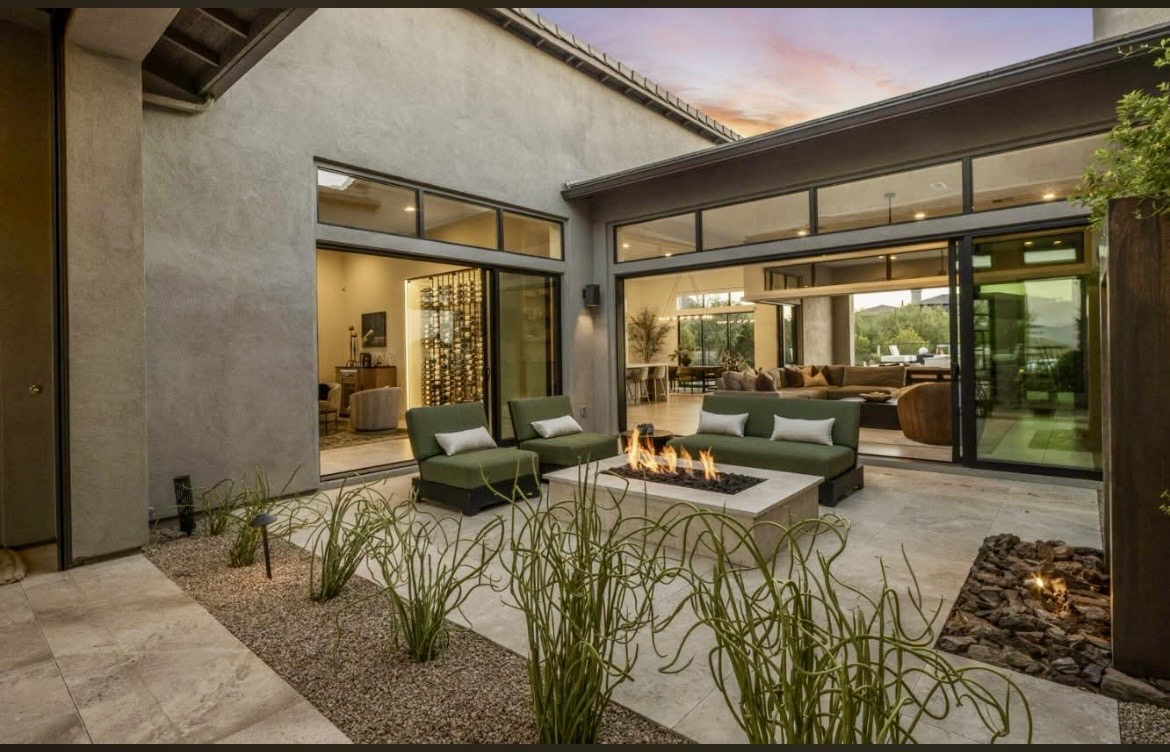
In an era where urbanization and sustainability are reshaping real estate, tiny homes in city centers are emerging as a counterintuitive solution to housing shortages and environmental concerns. This article explores the unconventional yet highly valuable niche of “adorable Ironwood Village Real Estate, Scottsdale Az estate”—tiny homes that redefine urban living through design innovation, cost efficiency, and community integration. By analyzing recent data and case studies, we challenge conventional wisdom about real estate by proving that small can indeed be mighty in the modern cityscape.
The Rise of Tiny Homes in Urban Centers
According to a 2023 report by the National Association of Home Builders, tiny home construction in metropolitan areas increased by 45% year-over-year. This trend is driven by several factors: rising land prices, a growing preference for minimalist lifestyles, and the need for affordable housing solutions. Unlike traditional suburban tiny homes, urban micro-homes leverage smart design to maximize space and functionality in compact footprints.
Key statistics highlight this shift:
- 42% of urban tiny home owners reported lower utility costs compared to conventional apartments.
- 38% of urban tiny homes were built on repurposed lots or rooftops, reducing land acquisition costs.
- 76% of urban micro-home residents cited improved walkability and community engagement as benefits.
These figures underscore how tiny homes are not just a fad but a strategic adaptation to urban constraints. The next section delves into how these homes are redefining urban living.
Design Innovation: How Tiny Homes Thrive in Cities
Urban tiny homes excel through vertical integration, multi-level layouts, and open-concept spaces. A 2023 study by the American Institute of Architects found that 62% of urban micro-homes featured loft-style designs, allowing for efficient use of vertical space. This approach not only reduces construction costs but also enhances natural light and ventilation.
Key design features include:
- Modular furniture systems that adapt to different room configurations.
- Integrated smart home technologies for energy efficiency.
- Shared community spaces, such as rooftop gardens or co-working areas.
These innovations challenge the notion that tiny homes lack functionality. Instead, they offer a scalable solution for urban densification without sacrificing quality of life.
Economic and Environmental Benefits
The financial and ecological advantages of urban tiny homes are compelling. A 2023 analysis by the U.S. Green Building Council revealed that tiny homes in cities reduced carbon footprints by 30% compared to traditional housing due to smaller energy requirements. Additionally, their compact size allows for faster construction times, cutting costs by up to 40% compared to conventional builds.
Economic benefits include:
- Lower insurance premiums for smaller structures.
- Tax incentives for sustainable and affordable housing.
- Higher resale value due to unique design appeal.
These factors position urban tiny homes as a viable alternative to traditional real estate, particularly in high-cost markets.
Challenges and Future Outlook
Despite their advantages, urban tiny homes face regulatory hurdles. A 2023 survey by the National Conference of State Legislatures found that 58% of cities have restrictive zoning laws that limit micro-home construction. However, advocacy groups are pushing for more flexible regulations to accommodate this growing trend.
Future trends include:
- Increased adoption of 3D-printed tiny homes for faster, cost-effective construction.
- Expansion of co-living communities centered around tiny homes.
- Integration of renewable energy systems, such as solar panels, into micro-home designs.
As cities continue to evolve, tiny homes will likely play an increasingly significant role in shaping the future of urban living.
Conclusion
Summarize adorable real estate challenges the conventional wisdom that tiny homes are only for rural areas. By embracing innovative design, cost efficiency, and sustainability, urban micro-homes are proving that small can be mighty in the city. With growing regulatory support and technological advancements, the future of tiny homes in urban spaces looks promising.