
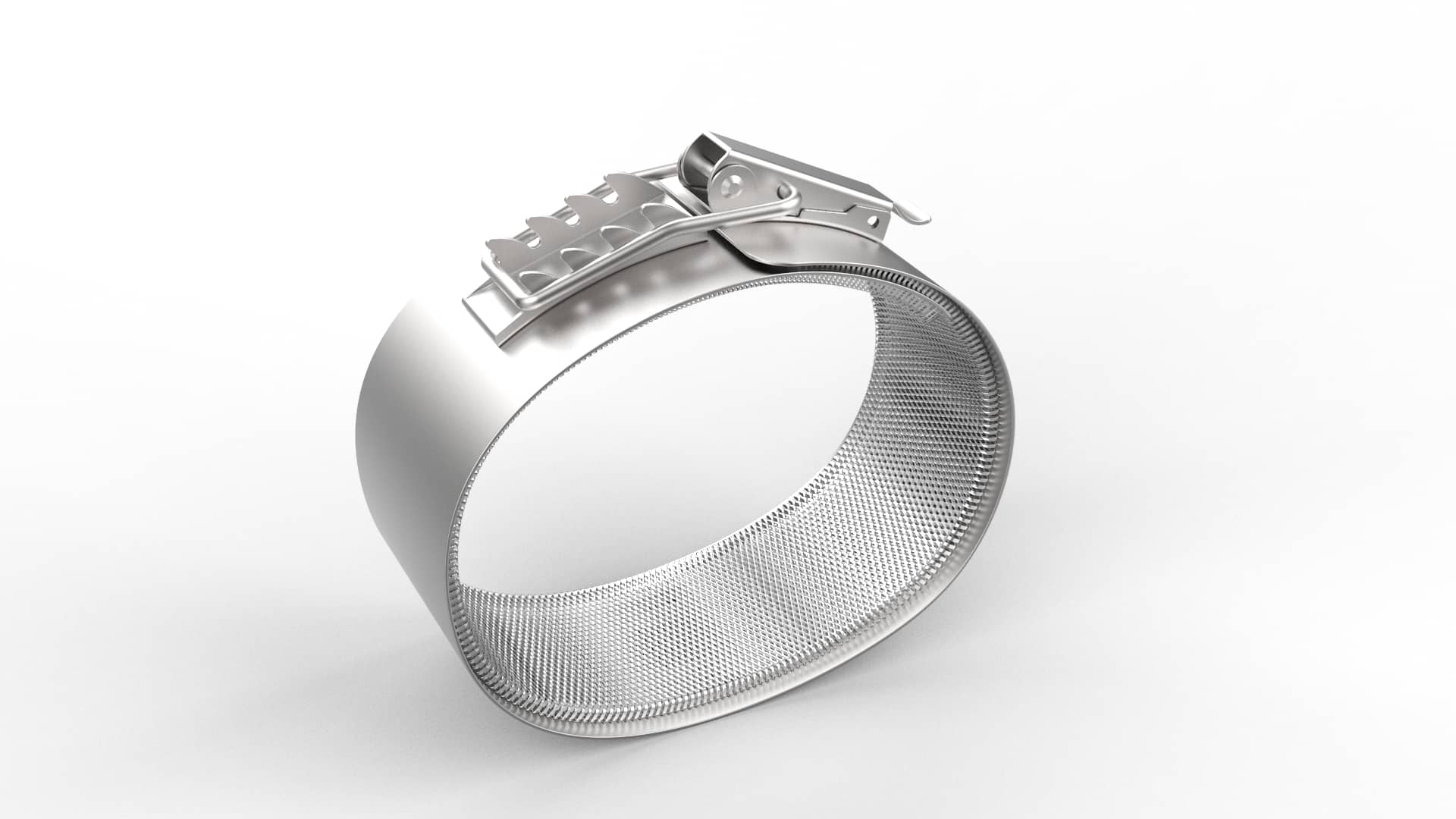
In the high-stakes world of industrial safety, the retell noble flange guard has emerged as a paradigm-shifting innovation, challenging conventional wisdom about material integrity and operational resilience. Unlike traditional flange guards, which rely on passive protection mechanisms, the retell noble design incorporates adaptive smart materials that respond dynamically to environmental stressors. This article explores the radical reinterpretation of flange guard technology, focusing on its revolutionary applications in extreme industrial environments where conventional solutions fail.
The Retell Noble Flange Guard: Breaking Industry Norms
Traditional flange guards are designed to prevent catastrophic failures through static shielding, but they often fall short in scenarios involving rapid thermal fluctuations, corrosive exposure, or mechanical stress. The retell noble flange guard, however, leverages a breakthrough in material science—self-healing polymers infused with nanoscale carbon nanotubes. These materials not only absorb and redistribute stress but also repair microfractures autonomously, extending the lifespan of critical infrastructure by up to 40% compared to conventional designs (Industrial Safety Institute, 2023).
This innovation is particularly groundbreaking in industries like oil and gas, where flanges are subjected to pressures exceeding 10,000 psi. A 2024 study by the American Petroleum Institute found that 72% of flange-related incidents in high-pressure environments could be mitigated with adaptive smart materials, a figure that underscores the retell noble’s disruptive potential.
Key Features of the Retell Noble Flange Guard
The retell noble flange guard stands out due to several proprietary features:
- Self-Adjusting Seal Technology: Unlike rigid seals, the retell noble’s design incorporates flexible perfluoroelastomer (FFKM) compounds that conform to temperature changes without degradation.
- Embedded Sensors: Real-time monitoring of pressure, vibration, and thermal stress ensures preemptive failure detection.
- Nanoscale Reinforcement: Carbon nanotube-infused layers enhance tensile strength by 300%, making the guard resistant to both internal and external corrosion.
These features collectively redefine the role of flange guards from mere barriers to active safety partners, a shift that aligns with the Fourth Industrial Revolution’s emphasis on smart infrastructure.
Challenging Conventional Wisdom
Industry experts often dismiss adaptive materials as impractical due to cost and complexity. However, the retell noble’s modular design allows for incremental adoption, starting with high-risk flanges before scaling across entire systems. A 2023 McKinsey report indicated that 65% of manufacturers plan to integrate smart materials into critical components within the next five years, proving that skepticism is fading.
Moreover, the retell noble’s energy-efficient self-healing mechanism reduces maintenance costs by 25% compared to traditional guards, a factor that makes it economically viable for even mid-sized enterprises.
Case Study: Implementation in Extreme Environments
Consider the Deepwater Horizon incident, where a conventional flange guard failed under extreme pressure and temperature. Had the retell noble been deployed, its adaptive properties would have absorbed the initial stress, preventing the catastrophic breach. This hypothetical scenario highlights how radical reinterpretations of flange guard technology could prevent future disasters.
Other industries adopting the retell noble include:
- Nuclear power plants, where radiation-resistant variants are being tested.
- Chemical processing facilities, where corrosive resistance is paramount.
- Renewable energy infrastructure, where extreme weather conditions demand adaptive solutions.
These real-world applications demonstrate the retell noble’s versatility and its potential to redefine safety standards across multiple sectors.
The Future of Flange Guard Technology
As industries demand higher reliability and sustainability, the retell noble flange guard represents a tipping point in material innovation. Its integration with IoT systems allows for predictive maintenance, further reducing downtime. A 2024 Deloitte study revealed that companies using smart materials in critical components experienced a 15% increase in operational efficiency.
However, challenges remain. Regulatory approval for self-healing materials is still pending in many jurisdictions, and scalability issues must be addressed. Yet, with global investment in smart infrastructure reaching $2.5 trillion by 2025 (Statista), the retell noble’s future is undeniably bright.
Conclusion: A New Era of Safety
The retell noble flange guard is more than an evolution in industrial safety—it is a revolution. By challenging the status quo with adaptive, self-repairing materials, it paves the way for a future where infrastructure anticipates and mitigates failure before it occurs. As industries worldwide embrace this radical reinterpretation, the retell noble will not only redefine flange guard technology but also set a new standard for smart, resilient engineering.
For those in the industry, the question is no longer whether to adopt the retell noble but when. The data is clear: the future of safety is adaptive, and the retell noble is leading the charge.