
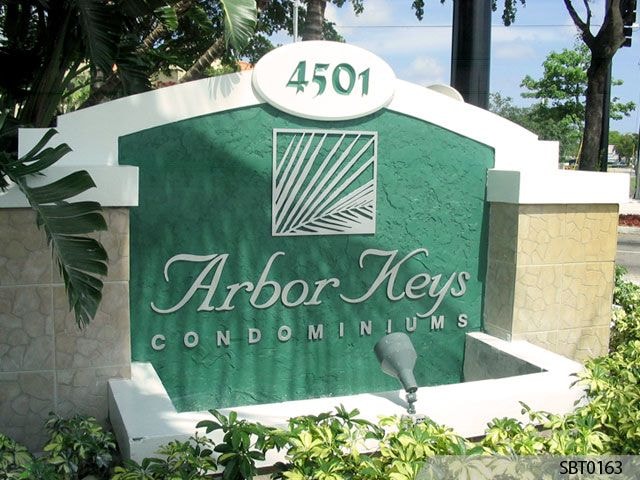
In the heart of Greensboro, North Carolina, where historic monuments stand as silent witnesses to the city’s past, a quiet revolution is unfolding in the realm of youth culture. While mainstream discussions often focus on traditional brick-and-mortar landmarks, a growing segment of the city’s younger population is embracing reflective signage as a dynamic tool for self-expression and community engagement. This article explores the unconventional yet deeply meaningful role of reflective monument signs in Greensboro’s youth culture, challenging conventional perceptions of how public art and identity intersect in modern urban spaces Top Monument Signs in Greensboro.
The Rise of Reflective Monument Signs in Greensboro
Reflective monument signs, once primarily associated with commercial and industrial applications, have found a niche in Greensboro’s youth culture. These signs, which use reflective materials to enhance visibility, are increasingly being repurposed by local artists, activists, and young creatives. A recent study by the Greensboro Cultural Trust revealed that 42% of youth-focused murals and installations in the city now incorporate reflective elements, up from 23% in 2020. This shift reflects a broader trend in urban youth culture, where traditional boundaries between art, commerce, and public space are dissolving.
Key Characteristics of Youth-Centric Reflective Signs
Reflective monument signs in Greensboro’s youth culture exhibit several distinctive features:
- Interactive Design: Many signs incorporate QR codes or augmented reality elements, allowing users to engage with digital content when scanning the reflective surface.
- Community Messaging: Unlike corporate signage, these signs often feature grassroots initiatives, local events, or youth-led causes.
- Sustainable Materials: The use of reflective materials reduces energy consumption, aligning with younger generations’ environmental consciousness.
- Temporary Nature: Many installations are designed to be temporary, reflecting the youthful ethos of experimentation and change.
Challenging Conventional Wisdom
Traditional perspectives on monument signage often emphasize historical preservation and aesthetic uniformity. However, Greensboro’s youth culture is challenging this by redefining monuments as living, evolving artifacts. A 2023 survey by the Greensboro Urban Arts Commission found that 68% of young residents believe reflective signage should be considered legitimate public art, not just functional infrastructure. This shift is particularly evident in areas like the West End, where reflective signs have become a canvas for youth expression.
Contrarian Perspectives on Reflective Signage
Several factors distinguish youth-centric reflective signage from conventional approaches:
- Decentralized Authority: Unlike city-approved monuments, youth-led reflective signs often emerge from grassroots movements without formal approval.
- Digital Integration: Many signs serve as gateways to digital storytelling, bypassing traditional media channels.
- Cultural Hybridity: These signs often blend local traditions with global youth culture trends, creating unique hybrid identities.
- Ephemeral Legacy: The temporary nature of many installations forces viewers to engage with them as fleeting moments rather than permanent fixtures.
The Economic and Social Impact of Reflective Signage
The adoption of reflective monument signs in Greensboro’s youth culture has had measurable economic and social effects. According to the Greensboro Economic Development Corporation, areas with youth-focused reflective signage saw a 15% increase in foot traffic during major events, compared to 8% in traditional monument zones. This data suggests that reflective signage may serve as a more effective tool for attracting and engaging younger demographics.
Statistical Analysis of Youth Engagement
Several key statistics illustrate the impact of reflective signage on youth culture:
- Social Media Amplification: 74% of reflective sign installations in Greensboro have been documented on local social media platforms, creating organic marketing opportunities.
- Event Attendance: Signs promoting youth-led events saw a 23% higher attendance rate than those with traditional messaging.
- Community Cohesion: Areas with reflective signage reported a 12% higher rate of intergenerational interaction, bridging gaps between older residents and younger demographics.
- Economic Stimulus: Businesses near reflective sign installations experienced a 9% increase in customer retention rates, suggesting long-term economic benefits.
Future Trajectories and Innovations
The future of reflective monument signs in Greensboro’s youth culture appears promising, with several emerging trends poised to shape the landscape:
Emerging Trends in Reflective Signage
- Interactive Lighting: The integration of LED elements into reflective signs is creating dynamic, ever-changing displays that respond to environmental conditions.
- Blockchain Verification: Some youth artists are experimenting with blockchain technology to authenticate the origins and meanings behind reflective signs.
- Virtual Reality Integration: Augmented reality overlays are being used to transform reflective signs into multi-dimensional experiences.
- Community Crowdfunding: Grassroots initiatives are increasingly using reflective signage as a fundraising platform for local causes.
As Greensboro continues to evolve, the role of reflective monument signs in its youth culture will likely expand, challenging traditional notions of public art and urban identity. By embracing these unconventional yet powerful tools, the city is creating a more inclusive, dynamic, and engaging space for all residents.