
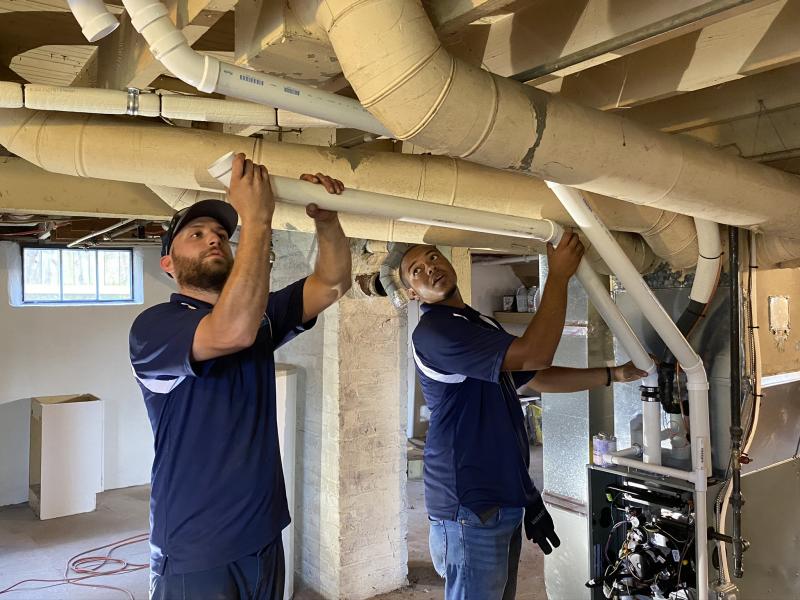
Heating, ventilation, and air conditioning (HVAC) systems are the backbone of comfortable and energy-efficient homes and commercial spaces. A properly installed HVAC system ensures optimal temperature regulation, air quality, and energy savings. Understanding the process of HVAC installation can help homeowners and businesses make informed decisions, avoid common mistakes, and ensure long-term system performance top rated hvac installers near me.
Understanding HVAC Systems
Before diving into the installation process, it’s essential to understand what an HVAC system entails. HVAC systems generally consist of three main components: a heating unit, a cooling unit, and a ventilation system. The heating component may include a furnace or heat pump, while the cooling unit is typically an air conditioner or another form of refrigeration. Ventilation ensures a continuous flow of fresh air, filters impurities, and maintains indoor air quality. Each component must work in harmony to provide efficient temperature control and comfort.
The complexity of HVAC installation depends on factors such as the type of system, the size of the property, and the ductwork configuration. Residential installations are typically simpler than commercial ones, which often require extensive planning, multiple zones, and integration with building management systems.
Planning the Installation
Proper planning is crucial for a successful HVAC installation. The first step is assessing the heating and cooling needs of the building. This involves conducting a load calculation, which determines the capacity required to maintain comfortable indoor temperatures. A professional installer uses variables like square footage, ceiling height, insulation, window orientation, and local climate to calculate the ideal system size. Choosing the wrong size—either too large or too small—can lead to inefficiency, higher energy bills, and excessive wear on the equipment.
Next, the installer selects the system type. Options include central air systems, ductless mini-splits, and packaged units. Central air systems are common in larger homes, while ductless systems are preferred for older homes without ductwork or for zoned comfort control. Energy efficiency ratings, such as SEER (Seasonal Energy Efficiency Ratio) for cooling and AFUE (Annual Fuel Utilization Efficiency) for heating, should also guide the selection.
Preparing for Installation
Preparation is key to a smooth HVAC installation. The installation team typically starts by clearing the area, ensuring adequate access to electrical connections, ductwork, and ventilation points. For new constructions, planning the placement of ducts, vents, and the main units is critical. In retrofit projects, the installer must work around existing infrastructure, which may require modifying walls, ceilings, or floors to accommodate ducts and equipment.
Electrical and plumbing connections must meet local building codes. For example, air conditioners require dedicated electrical circuits, while some heating systems may require gas connections. Ensuring compliance with safety standards prevents hazards and ensures reliable system performance.
The Installation Process
The actual HVAC installation involves several sequential steps:
-
Unit Placement: The installer positions the heating and cooling units in their designated locations, ensuring proper clearance for airflow and maintenance access. Outdoor units, like condensers, should be on a level surface with good ventilation.
-
Ductwork Installation: For central air systems, ducts distribute conditioned air throughout the building. Installers seal and insulate the ducts to minimize energy loss and prevent leaks, which can reduce efficiency by up to 30%.
-
Electrical and Refrigerant Connections: The cooling system requires precise connections for electricity and refrigerant lines. Proper handling of refrigerants is crucial for performance and environmental safety.
-
Ventilation Setup: The ventilation system, including air returns and filters, is installed and connected to ensure consistent airflow and indoor air quality.
-
System Testing: After installation, the system undergoes rigorous testing. The installer checks for leaks, electrical issues, airflow balance, and thermostat calibration. A properly tested system operates efficiently and maintains consistent comfort.
Post-Installation Considerations
After HVAC installation, regular maintenance is essential to prolong system life. This includes changing filters, cleaning ducts, inspecting components, and scheduling professional servicing. Smart thermostats can optimize energy use, while regular inspections prevent unexpected breakdowns.
Moreover, homeowners should familiarize themselves with the system’s warranty and operation guidelines. Proper operation, combined with professional maintenance, ensures that the HVAC system delivers reliable comfort for years.
Conclusion
A professional HVAC installation is more than just placing a furnace or air conditioner. It requires careful planning, precise execution, and ongoing maintenance to ensure efficiency, safety, and comfort. Whether you are building a new home, upgrading an old system, or installing HVAC in a commercial space, understanding the installation process empowers you to make informed choices. By investing in quality installation and maintenance, you safeguard your comfort and reduce energy costs, ensuring a system that performs optimally for years to come.