
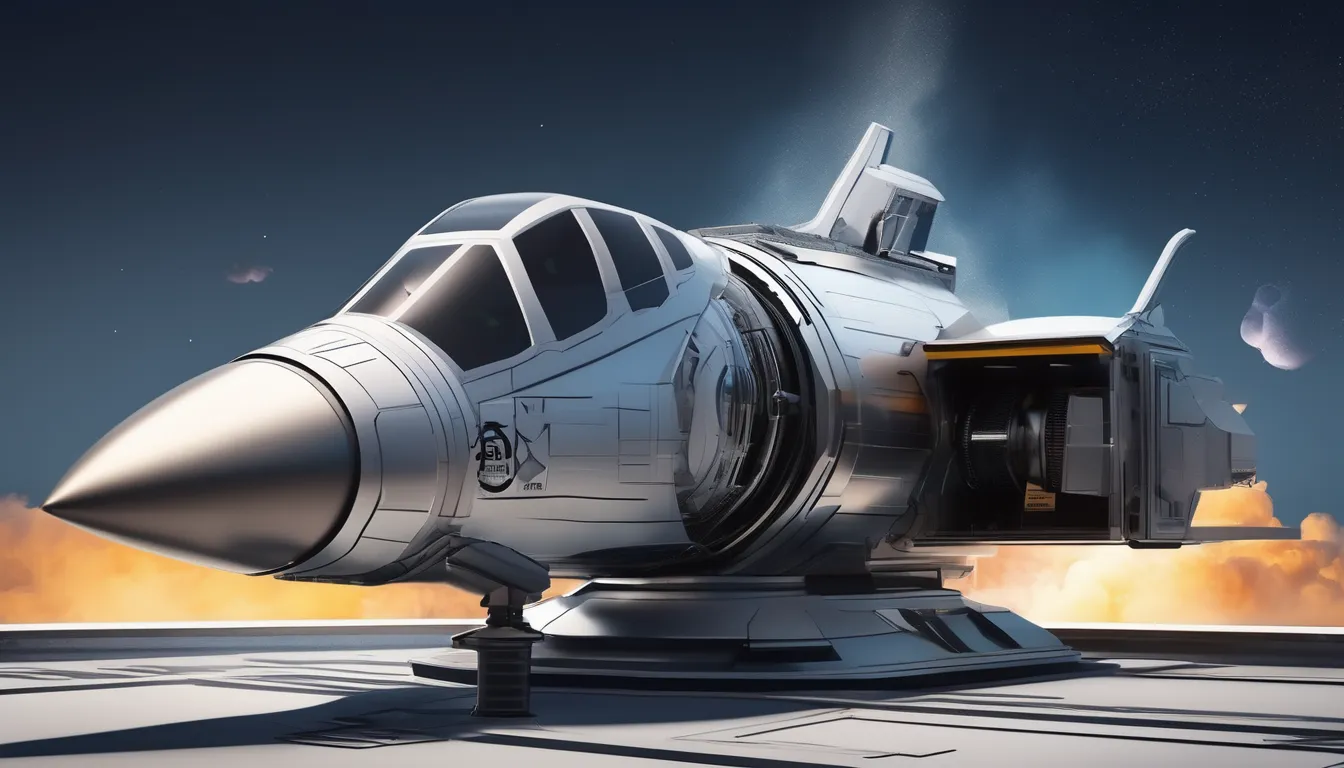
As you consider the vastness of space, it's crucial to recognize how advancements in thruster technology are reshaping missions beyond our atmosphere. With the integration of ion and nuclear propulsion systems, you're looking at a paradigm shift in how we approach space travel. These systems not only promise to cut down travel time but also enhance payload capacity, opening doors to more ambitious explorations. Now, imagine the possibilities that come with reaching the outer planets or even interstellar space sooner than ever expected. What might we discover there, and how could these technologies transform our understanding of the universe?
Overview of Thruster Technologies
While exploring the various thruster technologies, it's essential to understand how they propel spacecraft through the vacuum of space. You'll find that chemical rockets are still the heavy lifters in the field. They work on the basic principle of Newton's third law: for every action, there's an equal and opposite reaction. By burning fuel, these rockets expel exhaust at high speeds, pushing the spacecraft forward.
Another key player you should know about is the electric propulsion system, distinct from ion thrusters. These systems use electricity, usually from solar panels, to accelerate propellant at high speeds. Though they offer lower thrust compared to chemical rockets, their efficiency is remarkable, making them ideal for long-duration missions once in orbit.
You might also encounter cold gas thrusters, which are simpler in design. They use stored inert gases like nitrogen, releasing them through nozzles to maneuver spacecraft. Their simplicity and reliability make them a popular choice for satellite attitude control and adjustments.
Understanding these technologies gives you a glimpse into the ingenious methods humans use to explore beyond our terrestrial boundaries. Each type serves unique mission needs, balancing power, efficiency, and durability in the harsh environment of space.
Ion Thruster Innovations
Building on the foundation of general thruster technologies, let's explore the advancements in ion thrusters that are setting new standards for space propulsion.
Ion thrusters, a key player in your journey through the cosmos, have undergone significant transformations recently. You've probably heard of their high efficiency and low thrust capabilities, but let's dive into how they're evolving.
Ion thrusters now employ advanced materials that reduce erosion and extend lifespan, crucial for long-duration missions. Imagine you're planning a trip to Mars; these upgrades mean your spacecraft can maintain thrust longer, making your journey both feasible and more reliable.
Moreover, you've got engineers working on increasing the thrust-to-power ratio. This means more bang for your buck, with less energy consumed for greater output. This efficiency is paramount when every bit of power counts in deep space.
Additionally, the integration of scalable ion thruster systems allows you to customize thrust based on specific mission requirements. Whether it's navigating to an asteroid or orbiting Mars, these innovations ensure that your spacecraft is equipped with the right level of power.
Advances in Nuclear Propulsion
Several strides have been made in nuclear propulsion technology, revolutionizing how you'll travel through space. This cutting-edge advancement significantly enhances the speed and efficiency of space voyages, reducing travel time between celestial bodies dramatically.
Here's a snapshot of what's currently on the drawing board and how these innovations stack up against traditional methods:
|
Feature |
Traditional Chemical Rockets |
Advanced Nuclear Propulsion |
|
Energy Efficiency |
Low |
High |
|
Speed |
Moderate |
Exceptionally High |
|
Sustainability |
Limited |
Enhanced |
|
Travel Time to Mars |
6-8 months |
3-4 months |
You're looking at a technology that not only propels spacecraft faster but also with unprecedented efficiency. Imagine slashing the travel time to Mars by half, opening up new possibilities for colonization and deep space exploration. This isn't just about getting there faster; it's about making space travel more feasible and frequent. As these technologies mature, you might see them become the new standard for interplanetary travel, making the vastness of space a bit more accessible to humanity.
Environmental Impact Considerations
As we explore the advancements in nuclear propulsion and their potential to halve travel times to Mars, it's important to consider the environmental impacts of deploying such technologies.
You've got to weigh the benefits against the potential risks, not just in outer space but here on Earth as well. When launching nuclear-powered spacecraft, the release of radioactive material during a malfunction could pose significant risks. You're dealing with potential contamination of both the atmosphere and terrestrial ecosystems.
Moreover, the production and testing of these thrusters involve handling and disposing of nuclear waste. You need to ask, "Where does this waste go?" Ensuring safe handling, transportation, and long-term storage of nuclear materials must be at the Thruster finance efront of operational protocols to prevent environmental degradation.
You also can't ignore the broader cosmic perspective. The long-term presence of nuclear materials in space poses unknown risks. What happens if these materials are left on other planets or accidentally released into space?
Addressing these concerns, you must advocate for stringent international regulations and robust safeguards.
While the allure of quicker Mars missions is strong, you must also champion for responsible stewardship of space and Earth environments. Balancing these monumental technological strides with ecological prudence is essential.
Future Applications and Implications
You may wonder how nuclear propulsion, beyond shortening Mars travel times, could revolutionize space exploration. Imagine the farthest reaches of our solar system suddenly within our grasp. The implications of advanced thruster technologies stretch far beyond basic rocket science, reshaping every facet of interstellar travel and research.
Here are some future applications and implications of cutting-edge thruster systems:
● Faster Deep Space Missions: Significantly reduced travel times to distant planets and possibly even neighboring star systems.
● Enhanced Payload Capacities: More equipment and materials can be transported, enabling more complex missions and space colonization.
● Improved Spacecraft Longevity: With more efficient fuel usage, spacecraft can operate longer without the need for refueling.
● New Scientific Research Opportunities: Access to previously unreachable areas opens up new possibilities in astrophysics and cosmology.
● Robust Space Infrastructure: Development of space stations, outposts, and colonies supported by reliable and powerful propulsion systems.
These advancements could lead to a new era where space becomes a more familiar territory.
You'll witness the birth of interstellar travel, where distances that once seemed insurmountable are now easily bridged, expanding human presence beyond Earth in ways we're just beginning to imagine.
Frequently Asked Questions
How Do Thruster Blast Systems Affect Astronaut Health During Missions?
Thruster blast systems can expose you to intense vibrations and noise, potentially affecting your cardiovascular and skeletal health. Prolonged exposure during missions might lead to fatigue or more serious long-term health issues.
What Are the Maintenance Requirements for Advanced Thruster Systems in Space?
You'll need to routinely check the thruster's components for wear and conduct performance tests. Regular software updates and fuel assessments are crucial to ensure the system remains efficient and safe in the harsh space environment.
Can Thruster Technology Be Adapted for Use in Atmospheric Flight on Earth?
You can adapt thruster technology for atmospheric flight on Earth, but you'd face challenges like atmospheric density and energy efficiency. It's feasible, yet requires significant modifications to ensure safety and practicality in different conditions.
How Do International Space Laws Regulate the Use of New Thruster Technologies?
You'll find that international space laws carefully regulate new thruster technologies to ensure safety and compliance. Countries must collaborate closely, negotiating terms that support both innovation and responsible space exploration.
What Are the Insurance Implications for Spacecraft Using Nuclear Propulsion Systems?
If you're using nuclear propulsion systems, you'll face higher insurance premiums due to increased risks. Insurers will assess potential liabilities and damages, potentially requiring additional safeguards and certifications for coverage.
Conclusion
As you delve into the future of space exploration, cutting-edge thruster technologies like ion and nuclear propulsion are set to revolutionize your journey. These advancements not only speed up travel but also increase payload capacity, opening up new realms of scientific research and sustainable interplanetary travel. Embrace these innovations, as they pave the way for deeper space exploration and help minimize environmental impacts, ensuring a brighter future in the vast expanse of space.