
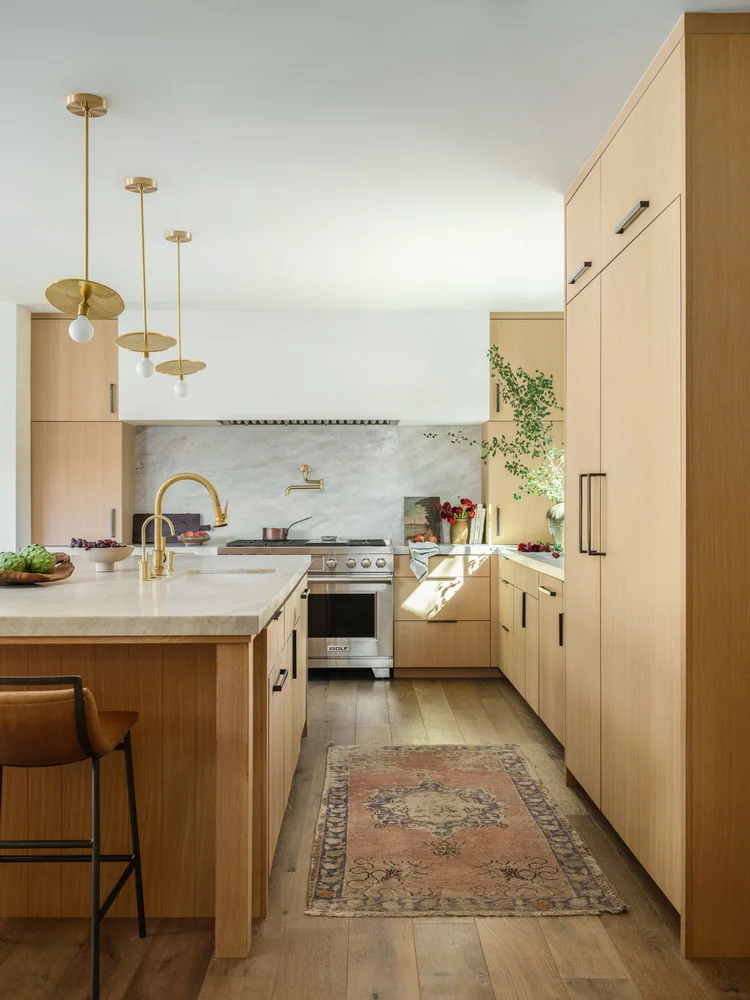
Interior styling in San Francisco reflects the city’s unique personality—sophisticated, innovative, and deeply connected to its coastal surroundings. Known for its cultural diversity and progressive design trends, San Francisco offers homeowners and businesses a wide range of interior styling possibilities. From minimalist tech-inspired spaces to warm, historic Victorian interiors, the city’s design scene continues to evolve while maintaining its classic charm San Francisco Interior Designer.
One of the most defining characteristics of interior styling in San Francisco is the balance between modern living and traditional architecture. Many homes in the city are historic properties that require thoughtful styling to preserve architectural details. Designers focus on maintaining original features such as crown molding, large bay windows, and hardwood flooring while integrating contemporary furniture and lighting solutions.
Natural light plays a crucial role in San Francisco interior styling. The city’s foggy coastal climate encourages the use of bright and reflective materials to keep indoor spaces warm and welcoming. Large windows are common in many homes, allowing residents to enjoy scenic views of local landmarks like the Golden Gate Bridge and surrounding bay areas. Interior designers often use light-colored walls, mirrors, and open layouts to maximize brightness.
Minimalism is another popular trend in San Francisco interior styling. Inspired partly by the city’s strong technology industry presence, many homes adopt clean lines, functional furniture, and clutter-free spaces. This style emphasizes practicality without sacrificing aesthetic beauty. Neutral color palettes, such as white, beige, and soft gray, are widely used to create a calm and professional atmosphere.
Sustainability is also an important factor in modern interior styling across San Francisco. Many homeowners prefer eco-friendly materials such as reclaimed wood, recycled metal, and organic fabrics. Energy-efficient lighting and smart home technologies are becoming standard features in new interior design projects. This trend aligns with global environmental awareness and the city’s progressive lifestyle values.
The influence of professional design standards is significant in shaping local styling practices. Organizations like the American Society of Interior Designers promote ethical and professional design practices, encouraging designers in the region to maintain high-quality service standards. Many interior stylists working in San Francisco follow similar guidelines to ensure comfort, safety, and aesthetic consistency.
Color selection is another essential component of interior styling in San Francisco. While neutral shades dominate modern designs, many designers incorporate bold accent colors to add personality to living spaces. Deep blue, forest green, and warm terracotta are frequently used to reflect the city’s coastal and urban landscape. These colors help create a connection between indoor environments and the natural surroundings outside.
Furniture selection in San Francisco interior styling focuses on both comfort and durability. Because urban living spaces are often compact, multifunctional furniture is highly valued. Convertible sofas, wall-mounted storage systems, and modular shelving are common choices. These furniture pieces help maximize usable space while maintaining a stylish appearance.
Lighting design is particularly important in coastal cities like San Francisco. Layered lighting techniques are commonly used, combining ambient, task, and accent lighting to create depth in interior spaces. Pendant lights, LED strips, and modern chandeliers are frequently installed in kitchens and living rooms. Warm lighting tones are preferred to counterbalance the city’s cool coastal weather.
Urban apartments in San Francisco often feature open-concept layouts. Open kitchens connected to living rooms are extremely popular among young professionals and technology workers. This layout promotes social interaction while making smaller spaces feel larger and more comfortable. Kitchen islands are commonly used as both cooking and dining areas.
Texture variety is another hallmark of professional interior styling in the city. Designers combine different materials such as glass, wood, metal, and fabric to create visually interesting environments. For example, a living room may feature a leather sofa, wooden coffee table, and metal light fixtures, all balanced within one design theme.
Bedroom styling in San Francisco emphasizes relaxation and comfort. Soft bedding materials, warm lighting, and minimalist décor are commonly used to create peaceful sleeping environments. Many bedrooms include small workspaces due to the increasing number of remote workers in the city’s tech-driven economy.
Bathroom interior styling has also evolved significantly. Modern San Francisco bathrooms often include walk-in showers, marble countertops, and smart water fixtures. Spa-like bathroom designs are becoming popular as homeowners prioritize wellness and relaxation within their living spaces.
Commercial interior styling is equally important in San Francisco due to the city’s business environment. Offices and retail spaces are designed to reflect professionalism and creativity. Technology companies often prefer open office layouts with collaborative working zones, greenery installations, and ergonomic furniture.
Green indoor plants are widely used in both residential and commercial interior styling. Plants such as fiddle leaf figs, succulents, and snake plants are common choices because they improve air quality and add natural beauty to interiors. Biophilic design principles are becoming increasingly popular in modern San Francisco homes.
Historic home renovation is a significant segment of the interior styling industry in San Francisco. Many older properties require careful restoration work to preserve cultural heritage. Designers work closely with architects and construction specialists to ensure modern comfort is achieved without damaging historical elements.
Technology integration is transforming interior styling practices in the city. Smart thermostats, automated lighting systems, and voice-controlled appliances are increasingly installed in modern homes. These technologies improve convenience while supporting energy conservation.
Professional interior stylists in San Francisco usually begin projects by understanding client preferences, lifestyle requirements, and budget limitations. Customization is highly valued, and designers often create personalized solutions for each client. This client-centered approach ensures satisfaction and long-term usability of the styled space.
In conclusion, interior styling in San Francisco represents a fusion of modern innovation, coastal beauty, and historical preservation. The city’s design philosophy emphasizes simplicity, sustainability, and functionality while maintaining aesthetic elegance. Whether for residential or commercial purposes, interior styling in San Francisco continues to adapt to technological advancements and lifestyle changes, making it one of the most dynamic design environments in the world.