
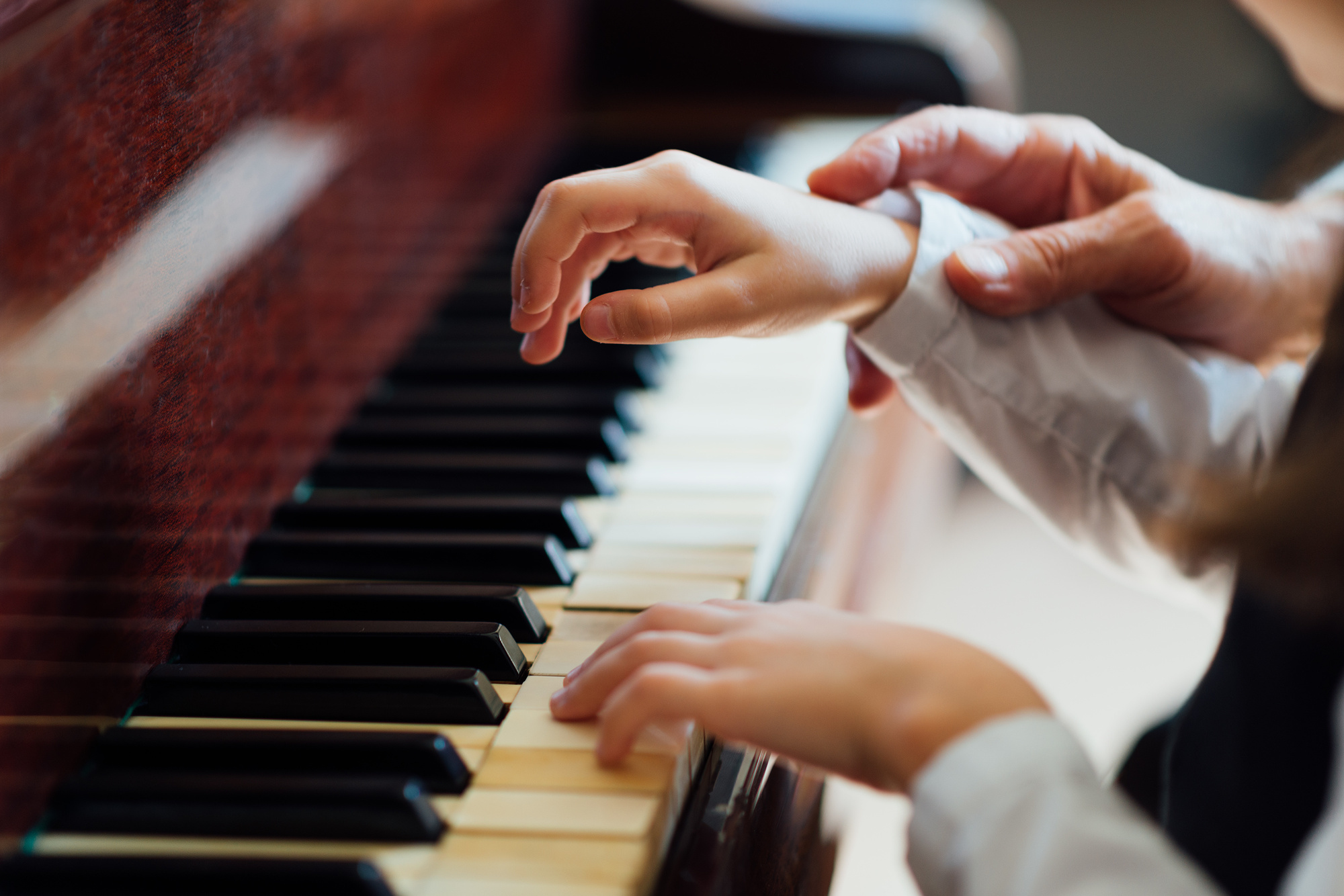
Learning music is one of the most rewarding skills a person can develop, and piano lessons are among the best ways to begin a musical journey. The piano is a versatile instrument that suits various music genres, from classical and jazz to pop and contemporary styles. Whether you are a beginner dreaming of playing your favorite songs or someone looking to improve musical expertise, piano lessons provide a structured path to success.
Why Piano Lessons Are Important
Piano lessons help learners build a strong musical foundation. Unlike many instruments, the piano allows students to understand music theory visually and practically. The keyboard layout makes it easier to learn notes, scales, and chords. This visual advantage helps beginners grasp musical concepts faster.
Professional piano lessons also teach discipline and patience. Learning to play the piano requires regular practice, focus, and dedication. These qualities are not only essential for music but also beneficial in everyday life. Students who take piano lessons often develop better concentration and time management skills.
Another important benefit of piano lessons is the development of hand coordination. Playing the piano requires both hands to work independently while maintaining rhythm and melody. This improves motor skills and brain function, especially in younger learners.
Types of Piano Lessons Available
There are different types of piano lessons available today, depending on the learner’s goals and preferences.
Beginner Piano Lessons
Beginner piano lessons are designed for people who have little or no musical experience. These lessons usually start with basic topics such as understanding the keyboard, learning finger placement, and reading simple musical notes.
Beginners also learn simple songs to build confidence. Starting with easy melodies helps students stay motivated while gradually improving their skills.
Intermediate Piano Lessons
Intermediate piano lessons are suitable for learners who already understand basic piano playing. At this stage, students focus more on scales, chords, and rhythm patterns.
Intermediate learners also start exploring different music styles. They may learn how to accompany singers, play more complex compositions, and improve their improvisation skills.
Advanced Piano Lessons
Advanced piano lessons are for students who want professional-level mastery. These lessons focus on performance techniques, music interpretation, and advanced theory.
Advanced students may learn classical compositions, jazz improvisation, or professional stage performance skills. Many people who pursue careers in music take advanced piano lessons to prepare for competitions or concerts.
Online Piano Lessons vs. Traditional Classes
With modern technology, learners can choose between online piano lessons and traditional classroom learning.
Online piano lessons offer flexibility and convenience. Students can learn from home and schedule classes according to their availability. Many online platforms provide video tutorials, interactive exercises, and virtual feedback from instructors.
Traditional piano lessons, on the other hand, offer face-to-face interaction with teachers. This method is helpful for beginners who need direct guidance on posture, hand position, and technique correction.
Both methods have advantages, and the choice depends on personal learning style and lifestyle.
Benefits of Learning Piano
Taking piano lessons provides many physical, mental, and emotional benefits.
First, piano playing improves brain development. Studies show that learning music enhances memory, problem-solving ability, and creativity. Children who take Voice Lessons Westlake Village CA often perform better academically.
Second, playing the piano reduces stress and anxiety. Music has a therapeutic effect, helping people relax after a busy day. Many individuals use piano playing as a hobby to improve mental well-being.
Third, piano lessons improve confidence. Being able to play a musical instrument in front of others gives a sense of achievement. Students who practice regularly often feel more comfortable performing on stage.
Fourth, piano playing enhances emotional expression. Music allows people to express feelings that may be difficult to communicate through words.
How to Choose the Right Piano Lessons
Choosing the right piano lessons is important for successful learning. First, consider your learning goals. If you want to play music as a hobby, basic or intermediate lessons may be enough. If you want a professional career, advanced training is necessary.
Second, check the qualifications of the instructor. Experienced teachers can provide better guidance and help students avoid common mistakes.
Third, consider the lesson format. Some students prefer online learning, while others perform better in physical classrooms.
Fourth, evaluate the cost of piano lessons. Prices may vary depending on teacher experience, location, and lesson duration. It is important to find affordable options without compromising quality.
Practice Tips for Piano Students
Regular practice is essential for mastering piano lessons. Beginners should practice at least 20 to 30 minutes daily. Consistency is more important than long, irregular practice sessions.
Start practice by warming up fingers with simple scales. Then move to learning new songs or improving difficult sections of music pieces.
Using a metronome can help maintain rhythm and timing. Students should also record their practice sessions to identify mistakes and track improvement.
Patience is another important factor. Learning piano is a gradual process, and progress may seem slow at times. Staying motivated and enjoying the learning process is key to success.
Common Challenges in Piano Learning
Many students face challenges during piano lessons. One common problem is finger coordination. At the beginning, playing with both hands simultaneously can feel difficult.
Another challenge is reading musical notation. Music theory may seem complicated, but regular practice makes it easier over time.
Lack of motivation is also a common issue. Setting small goals, such as learning one new song per week, can help maintain interest in learning.
Who Should Take Piano Lessons?
Piano lessons are suitable for people of all ages. Children can start learning piano at an early age to develop musical sensitivity.
Teenagers and adults can also benefit from piano education. Many adults start piano lessons as a hobby or stress-relief activity.
There is no age limit for learning piano. With proper guidance and dedication, anyone can become a good piano player.
Conclusion
In conclusion, piano lessons are an excellent way to explore music, improve cognitive abilities, and develop a lifelong skill. Whether you are learning for fun, education, or a professional career, piano education offers countless benefits.
With the availability of online and traditional learning methods, starting piano lessons has become easier than ever. The key to success is consistent practice, patience, and choosing the right teacher.
If you are interested in music, beginning your journey with piano lessons can be one of the best decisions you make. The piano is not just an instrument; it is a tool for creativity, expression, and personal growth. By investing time and effort in learning, you can enjoy the beautiful world of music for years to come.