
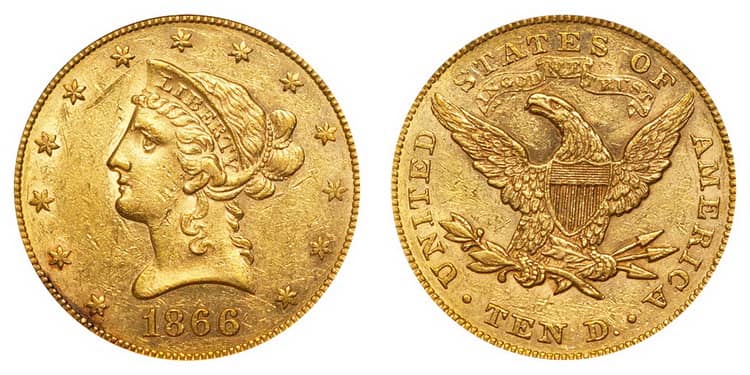
Collecting gold and coins has always been more than a hobby; it is a passion that combines history, art, and investment value. In the United States, premium quality standards play a vital role in determining the authenticity, market value, and long-term durability of gold and coin collections. The demand for high-grade numismatic pieces has grown significantly as collectors and investors seek items that offer both aesthetic excellence and financial security. Understanding premium quality standards is essential for anyone interested in building a valuable US gold and coin portfolio.
The foundation of premium coin production in the United States is closely connected with the work of the United States Mint. This institution is responsible for producing circulating coins, commemorative coins, and bullion products that meet strict quality requirements. Modern minting technology ensures precision in design, purity, and finish, helping collectors obtain pieces that are visually impressive and historically significant.
Importance of Premium Quality in Gold and Coin Collections
Premium quality standards are important because they directly influence the grading, resale value, and preservation condition of coins. Coins that meet premium standards are typically free from scratches, discoloration, or production imperfections. Collectors often prioritize high-grade specimens because such pieces retain value better over time.
One of the main aspects of premium quality is metal purity. For gold coins, purity is usually measured in karats or fineness. Many American gold coins are produced with high purity levels, making them attractive to investors. Higher purity ensures that the intrinsic metal value remains strong even if market conditions fluctuate.
Another critical factor is surface finish and strike quality. Premium coins are produced using advanced minting processes that create sharp details in design elements. The brilliance of the coin surface, often referred to as luster, is a key indicator of superior craftsmanship.
Role of Grading Systems in Quality Assessment
Professional grading systems help collectors evaluate the quality of US gold and coin pieces. These grading systems use standardized scales to measure condition, wear, and visual appeal. Coins that receive top grades are considered rare and highly valuable in the numismatic market.
Grading involves detailed examination under controlled lighting and magnification. Experts analyze factors such as edge sharpness, surface preservation, and strike depth. Even minor imperfections can influence the overall rating of a coin. Premium graded coins often command significantly higher prices compared to lower-grade versions.
Certified grading services also provide authenticity verification. Counterfeit coins are a major concern in the collecting industry, and professional authentication helps protect buyers from fraud. Certification labels attached to graded coins act as proof of quality and origin.
Manufacturing Excellence in US Gold and Coin Production
The production of premium coins involves advanced engineering and strict quality control. The United States Mint uses high-precision dies to ensure uniformity in design patterns. Each coin undergoes multiple inspection stages before it is released for distribution.
Modern minting facilities use computerized systems to monitor pressure, temperature, and striking force during production. These technological improvements have significantly reduced production errors. As a result, contemporary US gold coins are known for their exceptional clarity and finish.
Surface treatment techniques also contribute to premium quality standards. Some coins receive special polishing or protective treatment to enhance durability and visual shine. These processes help maintain the coin’s appearance even after long-term storage.
Historical Significance of Premium US Gold Coins
US US Gold and Coin and coin collections often carry historical value beyond their material composition. Many coins reflect important moments in American history, economic development, and cultural identity.
Collectors value older gold coins because they represent earlier minting techniques and historical monetary systems. Vintage coins are especially attractive because they are limited in supply and often have unique design features that are no longer used in modern production.
The history of gold coinage in the United States also reflects changes in monetary policy and economic structure. Throughout different periods, gold coins were used as standard currency before transitioning to modern fiat systems. Today, gold coins are primarily produced for investment and collection purposes.
Investment Value of Premium Collections
Premium quality US gold and coin collections are considered a stable investment option. Precious metal coins provide protection against inflation and economic uncertainty. Investors often diversify their portfolios by including gold coins along with other assets.
The market price of premium coins depends on several factors, including rarity, condition grade, historical importance, and demand among collectors. Limited edition coins generally appreciate faster than mass-produced pieces.
Some collectors focus on building long-term investment portfolios by acquiring certified premium coins. These collectors usually prioritize quality over quantity, selecting coins with superior grading and verified authenticity.
Storage and Preservation Standards
Maintaining premium quality requires proper storage conditions. Exposure to moisture, dust, and extreme temperature can damage coin surfaces. Professional collectors use protective holders and climate-controlled storage environments.
Handling coins without proper protection can cause fingerprints, scratches, or oxidation. Experts recommend using cotton gloves when examining high-value coins. Avoiding direct contact helps preserve the original mint condition.
Specialized storage cases are designed to block humidity and reduce air contamination. These preservation methods help maintain both the visual and market value of premium collections.
Authenticity and Fraud Prevention
The popularity of gold and coin collecting has unfortunately attracted counterfeit production. Modern authentication technology plays an important role in protecting collectors.
Certified coins usually include serial numbers, holographic seals, and professional verification marks. Buyers are advised to purchase coins from reputable dealers or official mint distributors to avoid counterfeit risks.
Educational awareness also helps collectors recognize genuine premium products. Understanding weight, design details, and packaging standards can assist in detecting fake coins.
Future Trends in US Gold and Coin Quality
The future of premium gold and coin collections is likely to be influenced by digital authentication and advanced minting technology. Blockchain verification and smart certification systems are being explored to enhance transparency.
Environmental sustainability is also becoming important in modern minting operations. Energy-efficient production methods and responsible sourcing of precious metals are gaining attention in the industry.
Collectors are expected to see more innovative designs and limited-edition releases. Modern technology allows mints to create complex patterns and micro-engraved security features that were not possible in earlier decades.
Conclusion
Premium quality standards in US gold and coin collections represent a combination of craftsmanship, historical preservation, and investment security. Through the efforts of the United States Mint and advanced manufacturing technology, collectors have access to highly refined numismatic products.
Whether for investment purposes or historical appreciation, premium US gold and coin pieces offer long-term value and aesthetic beauty. Proper grading, storage, and authenticity verification are essential for maintaining quality. As technology continues to evolve, the standards of excellence in gold and coin collections are expected to reach even higher levels, ensuring that future collectors can enjoy superior numismatic treasures.