
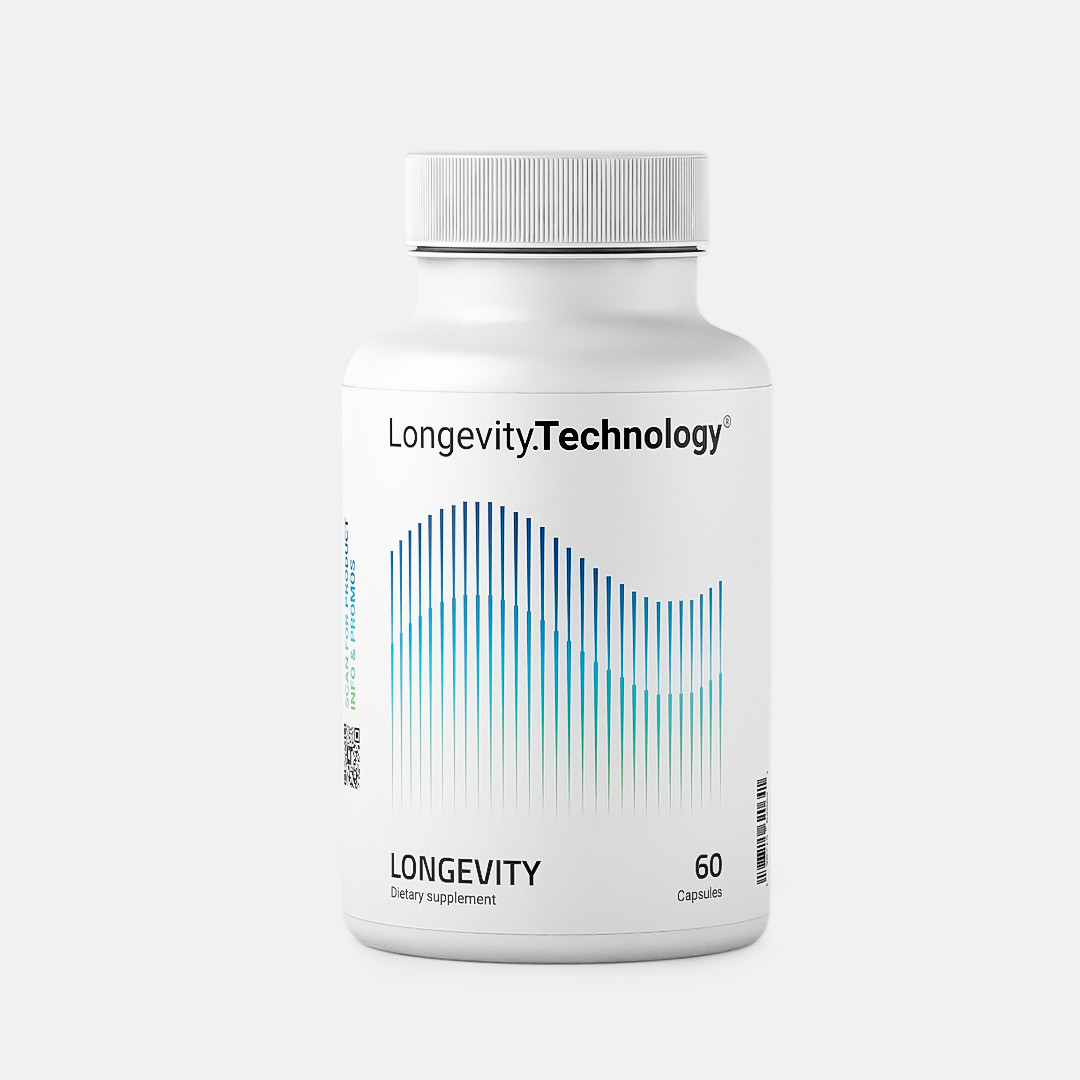
In today’s fast-paced world, maintaining optimal health has become both more important and more challenging than ever before. Busy lifestyles, processed diets, environmental stressors, and reduced nutrient density in food have all contributed to a growing interest in health optimisation strategies. Among these strategies, dietary longevity supplements have emerged as a powerful tool to support overall well-being, enhance performance, and prevent deficiencies. However, their role is often misunderstood or oversimplified. To truly appreciate how supplements fit into modern health optimisation, it is essential to understand their benefits, limitations, and appropriate use.
Understanding Health Optimisation
Health optimisation goes beyond simply avoiding illness. It is a proactive approach to achieving peak physical, mental, and emotional well-being. This includes improving energy levels, cognitive performance, immune function, metabolic efficiency, and longevity. While a balanced diet, regular exercise, sleep, and stress management form the foundation of health, supplements can serve as a strategic addition to fill nutritional gaps and support specific physiological needs.
Why Supplements Have Become More Relevant
Several factors have contributed to the growing reliance on supplements in modern health:
- Nutrient-Depleted Diets
Modern agricultural practices and food processing techniques have led to a decline in the nutrient content of many foods. Even individuals who eat a balanced diet may not receive optimal levels of essential vitamins and minerals. - Busy Lifestyles
Many people struggle to maintain a perfectly balanced diet due to time constraints, irregular eating habits, or reliance on convenience foods. Supplements provide a practical way to bridge these nutritional gaps. - Increased Awareness of Preventive Health
People are becoming more proactive about preventing disease rather than simply treating it. Supplements such as vitamin D, omega-3 fatty acids, and antioxidants are commonly used to support long-term health. - Aging Population
As people age, their bodies become less efficient at absorbing nutrients. Supplements can help maintain bone density, muscle mass, cognitive function, and immune health. - Lifestyle Stressors
Chronic stress, pollution, and lack of sleep can deplete essential nutrients. Supplements can help replenish these and support resilience against daily stressors.
Key Types of Supplements in Health Optimisation
There are several categories of supplements that play important roles in modern health optimisation:
1. Vitamins and Minerals
Micronutrients are essential for countless biological processes. For example, vitamin D supports bone health and immune function, while magnesium is involved in muscle relaxation and nervous system regulation. Deficiencies in these nutrients can lead to fatigue, weakened immunity, and chronic health issues.
2. Protein and Amino Acids
Protein supplements are widely used to support muscle growth, repair, and maintenance. They are especially beneficial for athletes, older adults, and individuals with increased protein requirements. Amino acid supplements, such as branched-chain amino acids (BCAAs), may aid in recovery and reduce muscle soreness.
3. Omega-3 Fatty Acids
Omega-3s, commonly found in fish oil supplements, are known for their anti-inflammatory properties. They support heart health, brain function, and may help reduce the risk of chronic diseases.
4. Probiotics
Gut health plays a crucial role in overall well-being. Probiotics help maintain a healthy balance of gut bacteria, which can improve digestion, boost immunity, and even influence mental health.
5. Herbal and Botanical Supplements
Natural extracts such as turmeric, ashwagandha, and ginseng have been used for centuries in traditional medicine. These supplements can support stress management, inflammation reduction, and energy levels.
6. Performance and Cognitive Enhancers
Some supplements are designed to enhance physical performance or mental clarity. For example, caffeine, creatine, and nootropics are commonly used to improve focus, endurance, and cognitive performance.
Benefits of Supplements in Health Optimisation
When used correctly, supplements can provide several benefits:
- Filling Nutritional Gaps: Even well-balanced diets can fall short in certain nutrients. Supplements help ensure adequate intake.
- Improving Physical Performance: Athletes often use supplements to enhance strength, endurance, and recovery.
- Supporting Mental Health: Certain nutrients, such as omega-3s and B vitamins, are linked to improved mood and reduced anxiety.
- Enhancing Immune Function: Vitamins C, D, and zinc play crucial roles in supporting the immune system.
- Promoting Longevity: Antioxidants and anti-inflammatory compounds may help slow down the aging process and reduce the risk of chronic diseases.
The Importance of Personalisation
One of the most critical aspects of using supplements effectively is personalisation. Not everyone has the same nutritional needs. Factors such as age, gender, activity level, diet, genetics, and health conditions all influence which supplements may be beneficial.
For instance, individuals who spend little time in the sun may benefit from vitamin D supplementation, while vegetarians may require vitamin B12. Similarly, athletes may need higher protein intake, while individuals with digestive issues may benefit from probiotics.
A one-size-fits-all approach to supplementation is not ideal. Consulting with healthcare professionals and conducting blood tests can help identify deficiencies and guide appropriate supplementation.
Risks and Misconceptions
While supplements offer many benefits, they are not without risks. Misuse or over-reliance on supplements can lead to adverse effects:
- Overconsumption: Taking excessive amounts of certain vitamins and minerals can be harmful. For example, too much vitamin A can cause toxicity.
- Lack of Regulation: Not all supplements are strictly regulated, which means product quality and purity can vary.
- False Expectations: Supplements are not magic solutions. They cannot replace a healthy diet or lifestyle.
- Interactions with Medications: Some supplements may interfere with prescription medications, leading to unwanted side effects.
It is essential to approach supplementation with caution and informed decision-making.
Integrating Supplements into a Healthy Lifestyle
Supplements should be viewed as part of a broader health strategy, not a standalone solution. The foundation of health optimisation still lies in:
- Eating a balanced and nutrient-rich diet
- Engaging in regular physical activity
- Getting adequate sleep
- Managing stress effectively
- Staying hydrated
Supplements can enhance these efforts, but they cannot replace them. For example, a person taking multivitamins but eating a poor diet will not achieve optimal health.
The Future of Supplements
The supplement industry continues to evolve with advances in science and technology. Personalized nutrition, based on genetic testing and biomarker analysis, is becoming increasingly popular. This allows individuals to tailor their supplement intake more precisely to their unique needs.
Additionally, the development of more bioavailable and targeted formulations ensures that nutrients are better absorbed and utilized by the body. Innovations such as time-release capsules and plant-based supplements are also shaping the future of health optimisation.
Conclusion
Supplements play a significant and evolving role in modern health optimisation. They provide a convenient and effective way to fill nutritional gaps, support specific health goals, and enhance overall well-being. However, they must be used thoughtfully and in conjunction with a healthy lifestyle.
Understanding individual needs, choosing high-quality products, and seeking professional guidance are key to maximizing the benefits of supplementation. When integrated correctly, supplements can be a valuable ally in achieving optimal health in today’s demanding world. Ultimately, they are not a substitute for healthy living but a powerful complement to it, helping individuals unlock their full potential for physical and mental performance.