
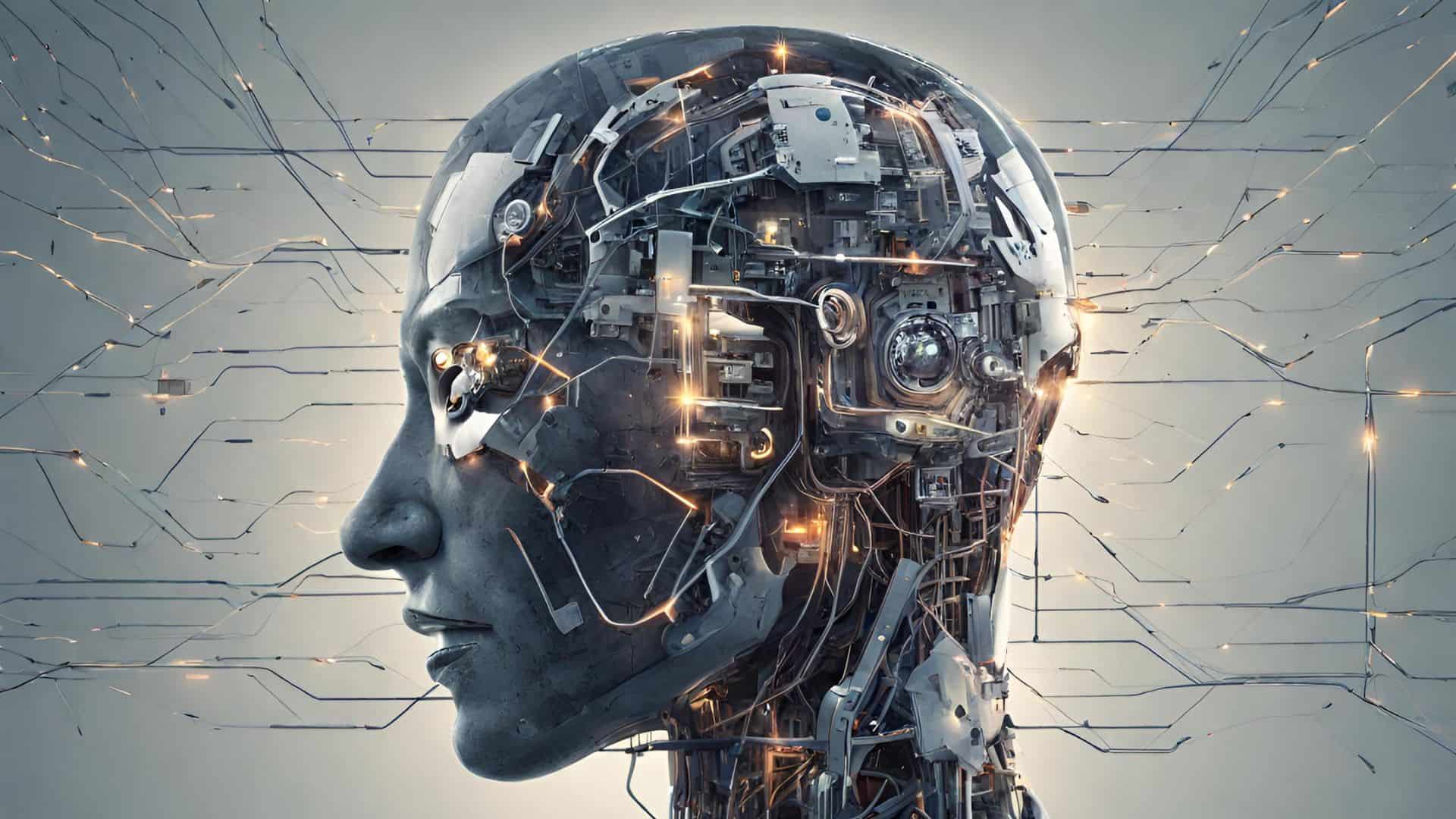
Imagine a grand piano in a studio, untouched, yet playing melodies no one has ever written. The keys move as if guided by invisible fingertips, forming harmonies that feel both familiar and entirely new. Generative AI in music composition works like an unseen pianist. It listens, learns, and transforms musical patterns into original soundscapes. It is less a machine of cold calculations and more an apprentice who has spent years studying every genre, artist, and emotional tone, now ready to craft its own voice.
This quiet shift in the music world is attracting artists, producers, and sound designers who are exploring how to collaborate with something that is not human yet deeply understands rhythm and expression.
(keyword in this paragraph, separate section below)
Many creators who attend Gen AI training in Hyderabad describe this technology not as a replacement, but as a creative companion that amplifies personal style.
The Machine as a Composer’s Mirror
Instead of thinking of generative AI as an outsider, it is better understood as a mirror that reflects musical influences with surprising twists. A composer feeds the system thousands of songs, chords, and genres. The system observes patterns: how jazz rearranges the unexpected, how classical movements build emotion, how electronic pulses build anticipation.
When the system is created, it is not merely a copy. It is weaving threads from what it has seen, but rearranged into patterns that even human creators may not have considered. A musician might begin with a motif, only for the system to expand it into a sweeping orchestral arrangement. This process feels like brainstorming with a partner who never gets tired, never criticizes, and always has a fresh idea.
The Language of Sound Patterns
Generative AI learns music the same way a child learns language. Instead of relying on syllables and verbs, it experiments with pitch, tempo, and chord progressions. Each melody is like a sentence that expresses thought. When the system experiments, it sometimes breaks rules entirely. This can lead to unexpected modulations or rhythms that feel futuristic, even strange.
Producers utilize this creative unpredictability to craft soundtracks for films, advertisements, and various media. The system can generate haunting atmospheric tones for psychological thrillers, orchestral warmth for family dramas, or sharp percussive textures for futuristic games. Audio designers also use it to shape sound effects, such as the hum of a fictional spacecraft, the wind of an alien planet, or the metallic pulse of an imagined machine. The technology stretches imagination beyond what human memory alone can hold.
Collaboration Instead of Replacement
One of the biggest fears is that generative systems may replace human creativity. Yet the reality unfolding in studios suggests something different. The technology excels at drafting musical sketches, idea fragments, and variations. Humans excel at emotional direction, taste, storytelling, and identity. Music is not just notes arranged in time. It is an expression rooted in memory, culture, and lived experience.
Generative AI provides possibilities, but it is the human who chooses which melody speaks to the heart. Just as digital synthesizers did not eliminate acoustic instruments but expanded the sound palette, this technology expands the range of what musicians can imagine and communicate. The most exciting music today is being composed not by humans alone or algorithms alone, but by their dialogue.
New Skills for the Future Music Creator
Working with generative systems requires new kinds of musical literacy. Composers now explore how to describe emotion and tone in words, prompts, and parameter settings. Music theory remains useful, but so is experimentation. Artists learn to tune the system like an instrument: shaping datasets, adjusting generation styles, and curating outputs.
As studios adopt these tools, training programs grow. Many sound engineers and producers participating in gen ai training in Hyderabad discover that learning how to talk to the system is as vital as learning how to play traditional instruments. Creativity becomes less about performing and more about guiding, selecting, and shaping.
The Future Soundstage
We are entering an era where music becomes more responsive, interactive, and personal. Imagine playlists that shift with your mood, soundtracks that adjust to your pace while walking, or songs that evolve each time you listen. Live performances may soon include real-time generative improvisation. Video games may feature musical environments that adapt to the player’s emotions. Personalized sound therapy could tailor calming frequencies to an individual’s stress patterns.
Generative AI is not just delivering music. It is redefining what music can be.
Conclusion
The sound of intelligence in music composition is not mechanical. It is thoughtful, curious, and full of possibility. Generative AI listens deeply to the world of sound, then adds its own shimmer. Musicians and producers who embrace it are not surrendering creativity. They are expanding it, opening doors to harmonies that have never been written before.
The unseen pianist in the studio no longer feels like a mystery. It feels like a collaborator. And together, they are composing the next soundtrack of human imagination.